
Maneri Monastery, Dolanji
Dolanji is an area near Solan in Himachal Pradesh, India. It is famous for its Bon Monastery, which one of the main tourist attractions in the Solan district.
It is an offshoot of the Menri Monastery, the second oldest monastery in the world. It is located at a distance of 24-25 km from Kumarhatti, on the Narag-Sarahan road and is run by the Yungdrung Bon Monastic Centre. Constructed in 1969, it was founded by Abbot Lungog Tenpai Nyima. The place is considered to be the best place to witness Tibetan culture.This monastery has recreated the Geshe training program and is home to over 200 monks. Menri in India and Triten Norbutse Monastery in Nepal now host the only two Geshe programs in the Bon lineage.
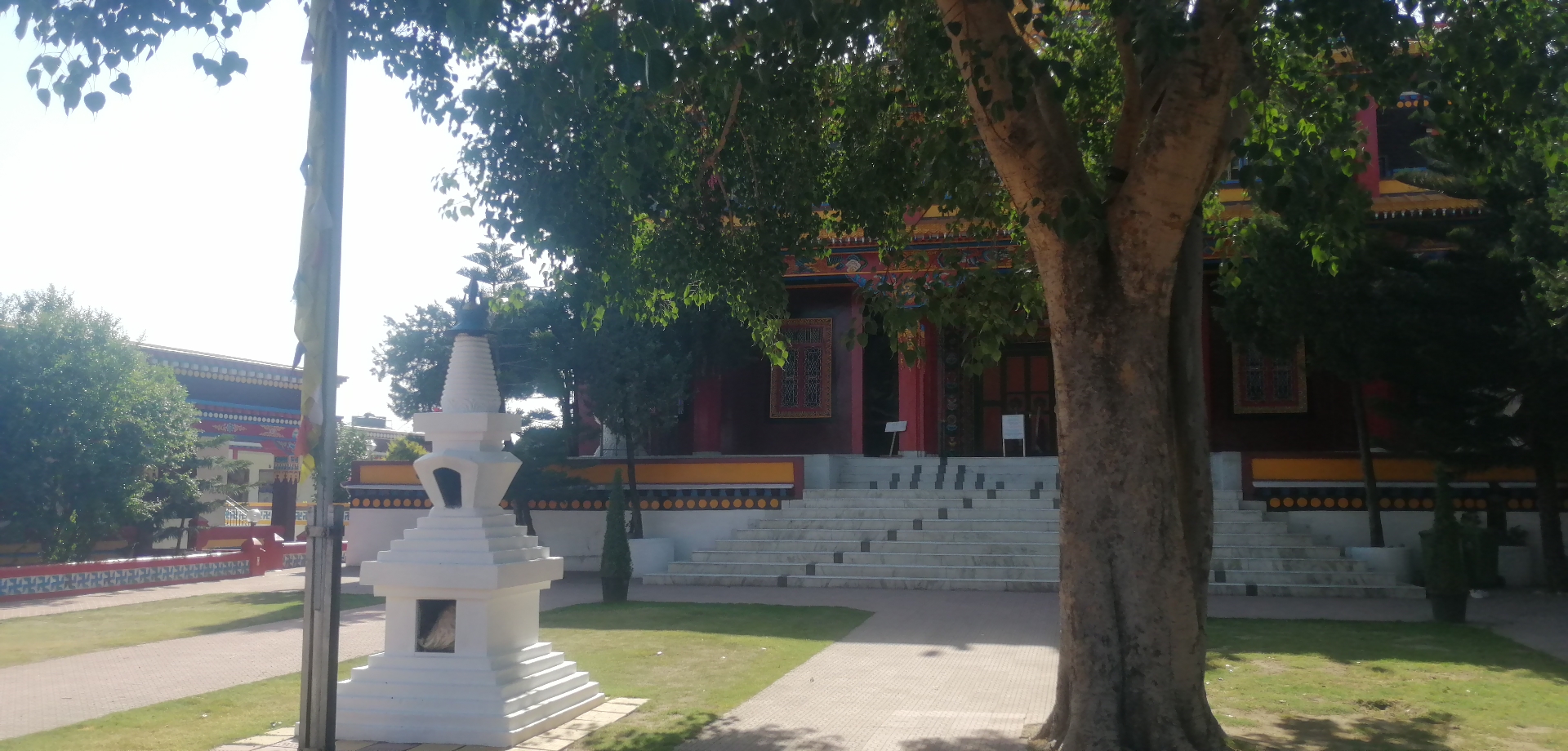
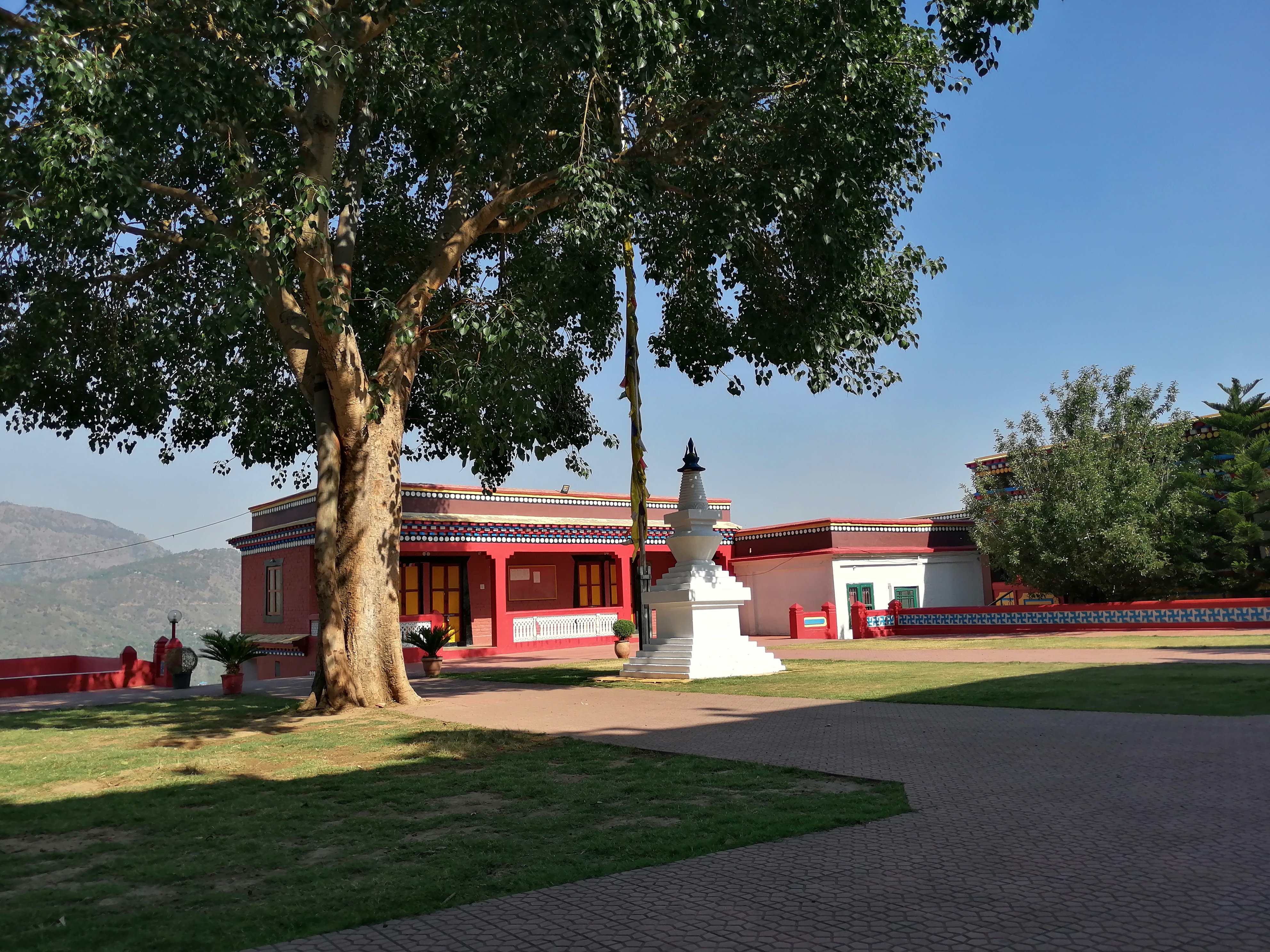
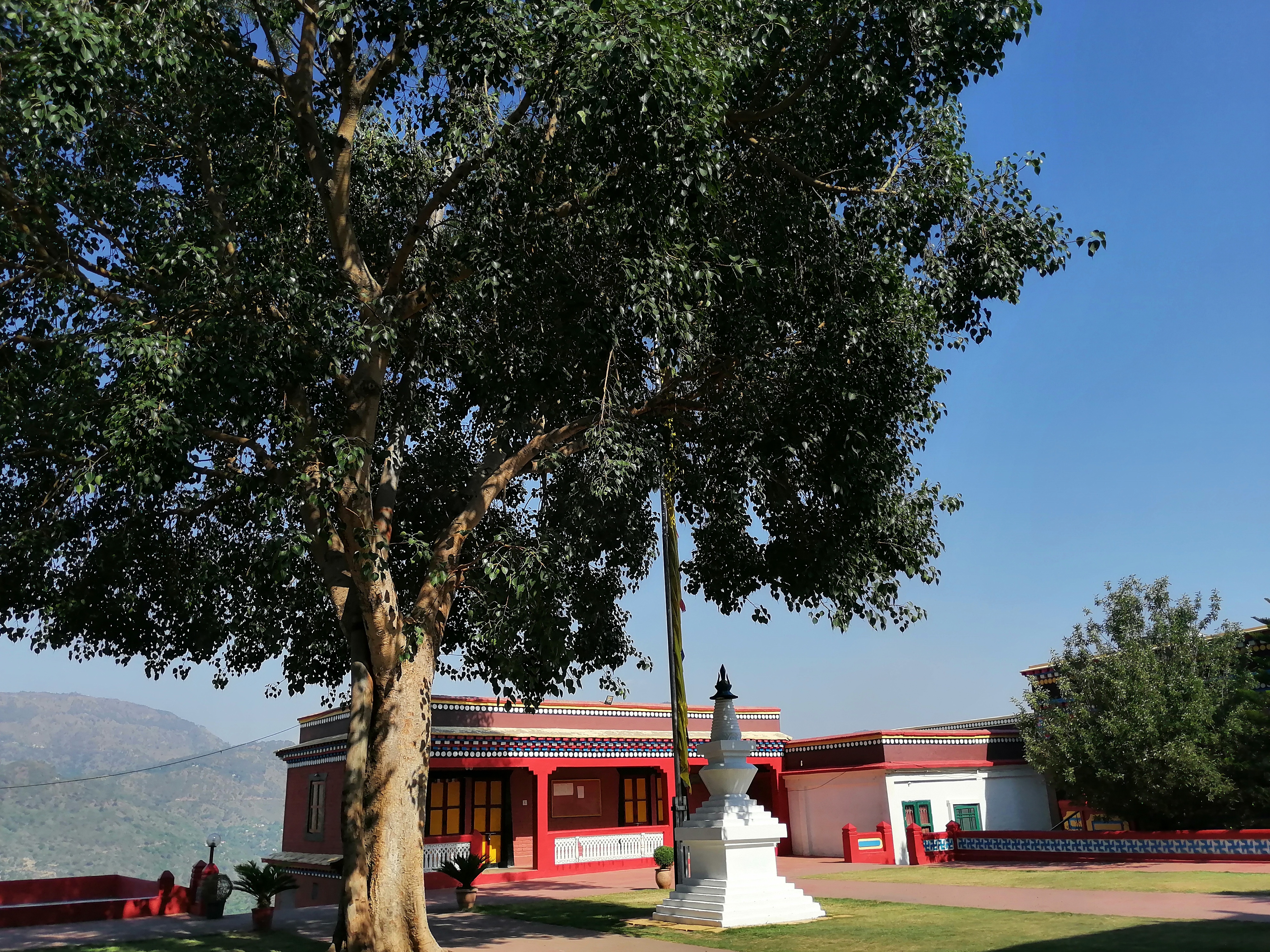
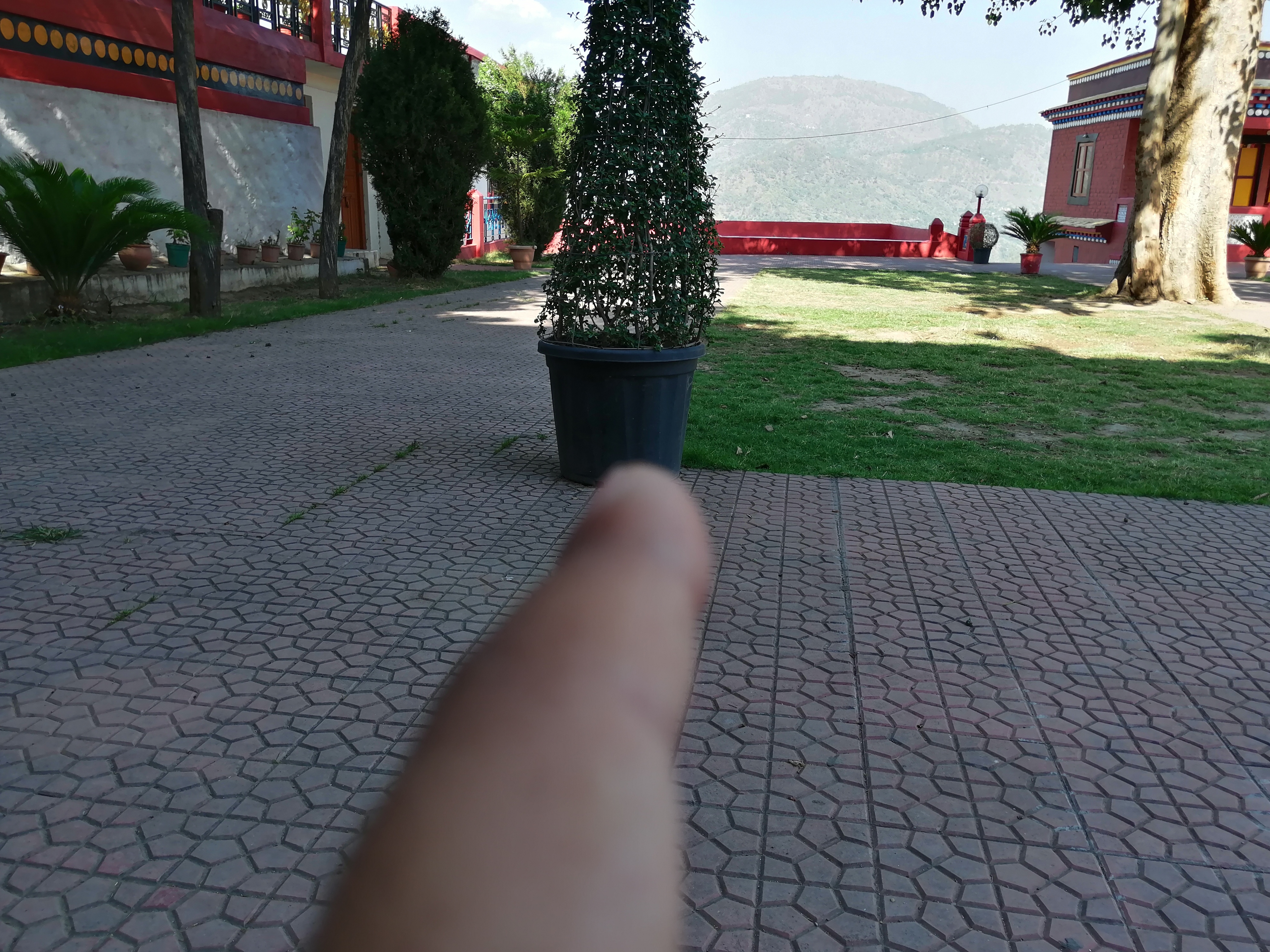
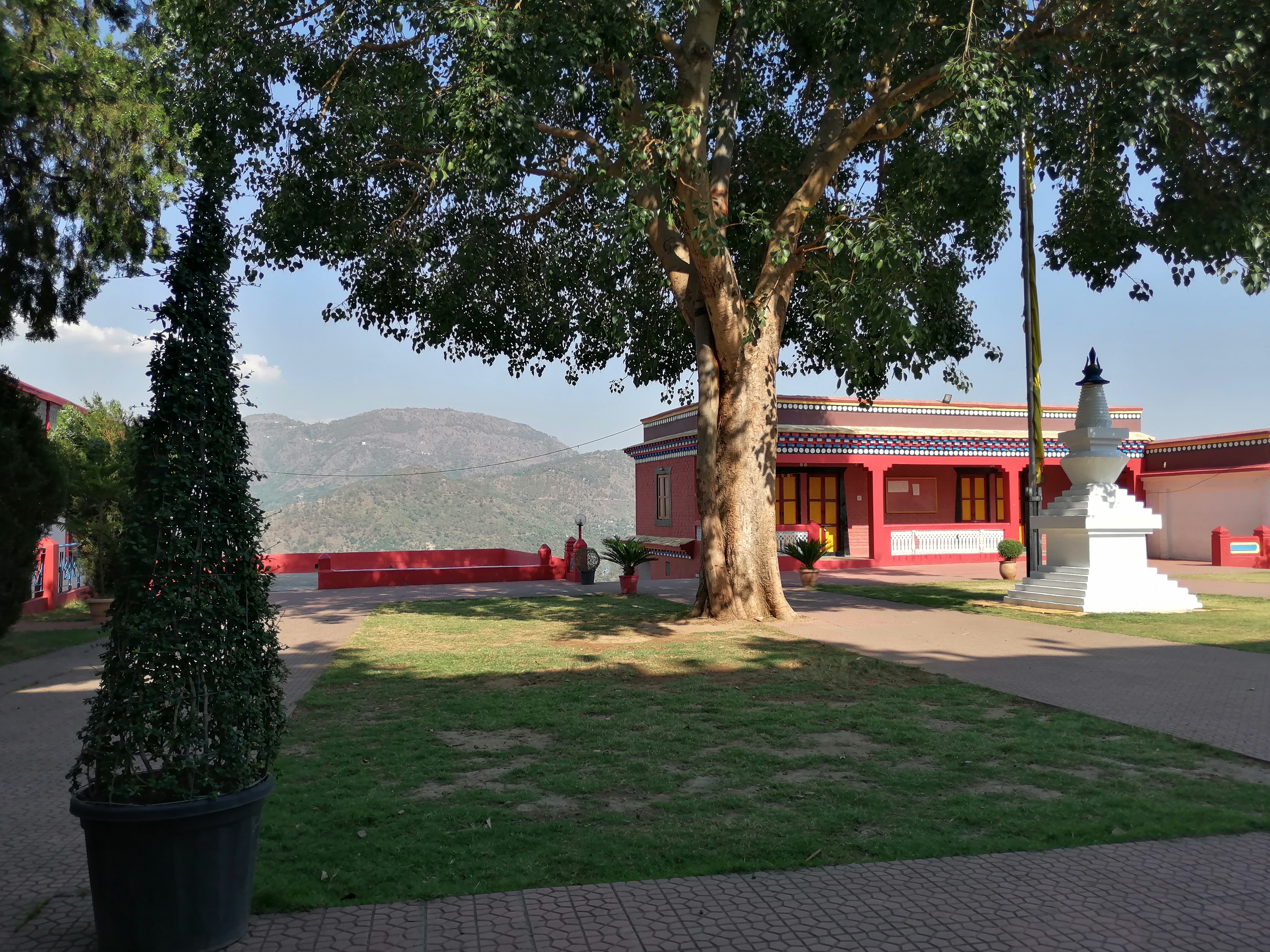
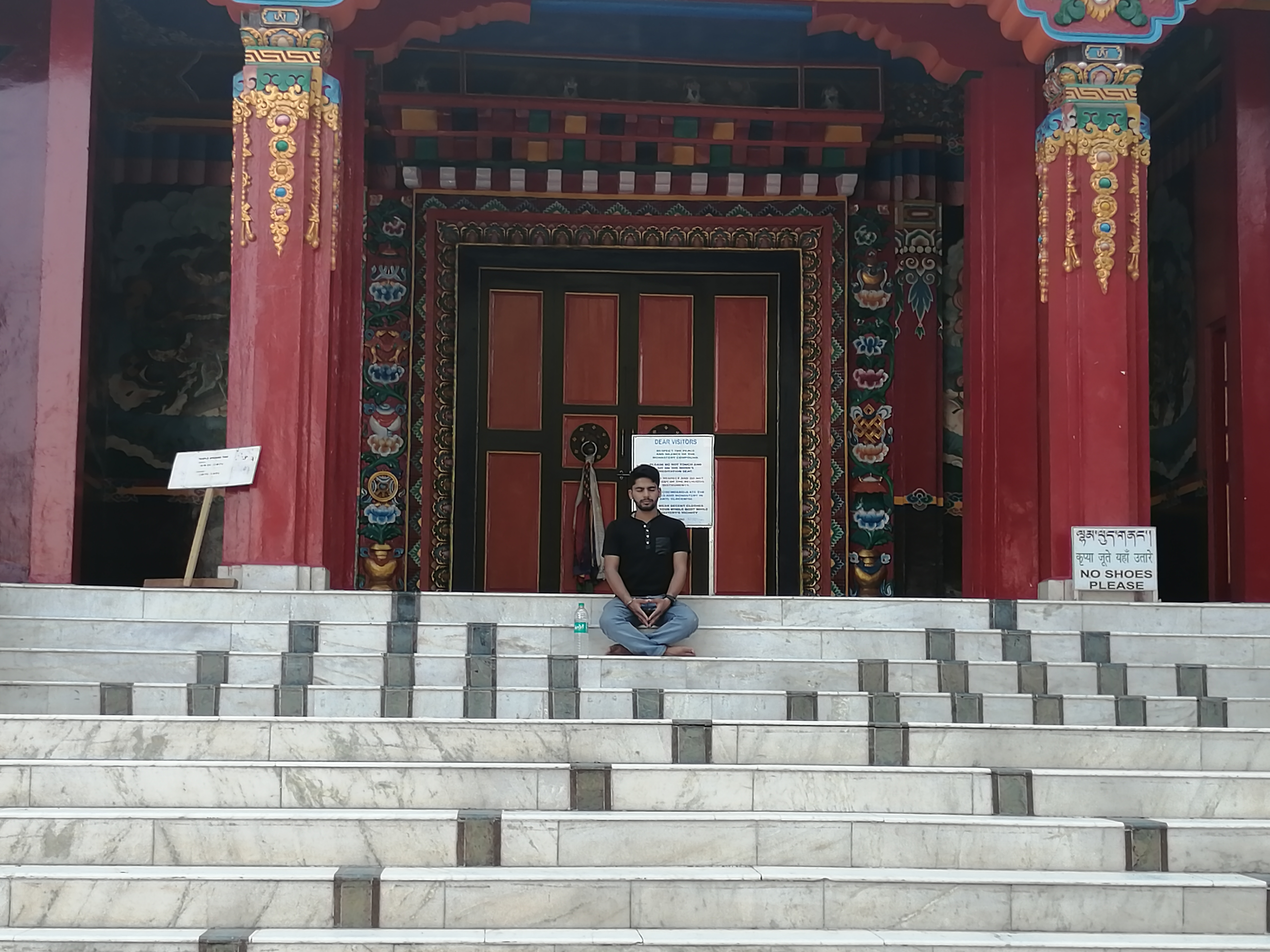
The monastery is about 5 km away from Ochhghat which is in Solan District. The monastery place is so peaceful and calming. The monastery includes a place for praying, a beautiful architecture and a library. Where you can pray and read many scriptures available.
After praying and reading scripture you can go to the canteen just near the entry gate. If you are a non vegetarian, you are going to love their mutton momos and other non veg dishes. My suggestion try non veg momos there.
In most religions, the life inside monasteries is governed by community rules that stipulate the gender of the inhabitants and require them to remain celebrate and own little or no personal property. The degree to which life inside a particular monastery is socially separate from the surrounding populace can also vary widely; some religious traditions mandate isolation for purposes of contemplation removed from the everyday world, in which case members of the monastic community may spend most of their time isolated even from each other. Others focus on interacting with the local communities to provide services, such as teaching, medical care, or evangelism. Some monastic communities are only occupied seasonally, depending both on the traditions involved and the local weather, and people may be part of a monastic community for periods ranging from a few days at a time to almost an entire lifetime.
The life within the walls of a monastery may be supported in several ways: by manufacturing and selling goods, often agricultural products, by donations or alms, by rental or investment incomes, and by funds from other organizations within the religion, which in the past formed the traditional support of monasteries. There has been a long tradition of Christian monasteries providing hospitable, charitable and hospital services. Monasteries have often been associated with the provision of education and the encouragement of scholarship and research, which has led to the establishment of schools and colleges and the association with universities. Christian monastic life has adapted to modern society by offering computer services, accounting services and management as well as modern hospital and educational administration.
 My Walking Cam